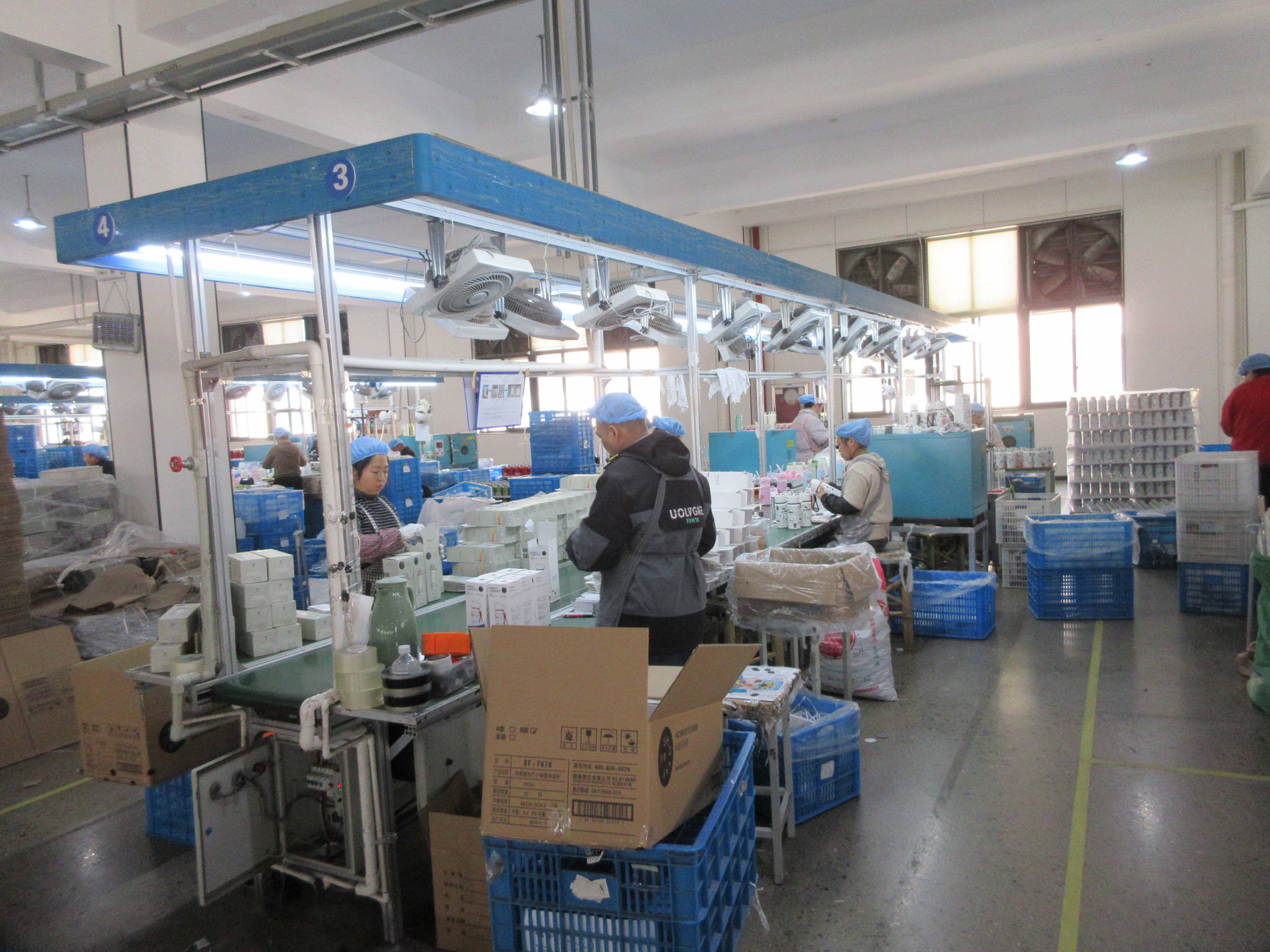
Once an order moves into production, most buyers rely on some form of inspection before the goods ship. For many kids eyewear programs that means a pre-shipment inspection based on AQL sampling, either by the buyer's own QC team or a third-party agency. The report that comes back is the document buyers use to decide whether to accept the lot, ask for rework, or hold shipment. Yet many buyers skim it, see the word "pass," and move on without understanding what the result actually covers.
This guide walks through the parts of a typical report so you can read one with confidence. It focuses on interpretation rather than setting your standards for you, since the right AQL level and defect definitions depend on your market, price point, and risk tolerance.
1. What AQL Actually Means
AQL stands for Acceptable Quality Limit. It is a sampling method that lets an inspector check a representative portion of an order rather than every single piece, and then decide whether the whole lot is likely to meet an agreed quality level. The key idea is that AQL does not promise a defect-free shipment. Instead, it sets the maximum percentage of defects that can be present in the sample before the lot is rejected.
For kids eyewear this matters because the products are small, produced in high quantities, and inspected against both cosmetic and functional criteria. A realistic inspection accepts that a small number of minor issues may exist in a large lot, while still catching batches where problems are widespread. Understanding this upfront prevents the common misreading that a "pass" means every unit is perfect.
2. Reading Lot Size, Sample Size, and Acceptance Numbers
Near the top of most reports you will find three linked numbers: the lot size (the total order quantity being inspected), the sample size (how many units were actually pulled and checked), and the acceptance and rejection numbers (often written as Ac and Re). The sample size is determined from the lot size and the inspection level, and the acceptance number is the maximum number of defects allowed at each defect class before the lot fails.
To read it, you match the number of defects found against the acceptance number for that class. If the defect count is at or below the acceptance number, the lot passes for that class; if it reaches the rejection number, it fails. When you see a table listing sample size alongside Ac and Re values for major and minor defects, you are looking at the core decision logic of the whole report. Everything else supports these figures.
3. Critical, Major, and Minor Defects for Kids Eyewear
Inspection reports classify defects into levels, most commonly critical, major, and minor, and each level usually has its own acceptance number. The classification is where kids eyewear specifics come in, and it is worth agreeing on definitions with your supplier and inspector before production so the report reflects what actually matters to your market.
As a general orientation, critical defects are the most serious and often relate to safety, such as a sharp edge or a detachable small part on eyewear intended for young children. Major defects are functional or clearly visible issues that a customer would likely reject, such as a loose hinge, a scratched lens, or a frame that does not sit straight. Minor defects are small cosmetic deviations that do not affect function, such as a faint surface mark within tolerance. Because a defect's level drives whether the lot passes, buyers should confirm that the inspector is classifying issues the way the program intends.
4. Beyond Sampling: On-Site Checks and Measurements
A good inspection report is more than a defect count. It usually documents additional checks that are not purely statistical, and these are often where kids eyewear problems surface. Look for sections covering quantity verification against the packing list, barcode and label checks, carton and packaging condition, and any functional tests that were agreed in advance.
For kids eyewear specifically, this can include confirming frame dimensions against the approved sample, checking hinge movement, verifying that lenses are seated securely, reviewing print or logo placement, and confirming that packaging marks match the order. When these checks appear in the report with photos, you get a far clearer picture than the pass or fail line alone. If they are missing, that is worth raising before the next order.
5. Turning the Result Into a Decision
The point of the report is to support a decision, so read it with your next action in mind. A clear pass with supporting photos and complete on-site checks usually supports releasing the shipment on schedule. A fail, or a pass with notable observations, calls for a more deliberate response rather than an automatic reject or an automatic acceptance.
- Identify which defect class caused the concern and how far the count is from the acceptance number
- Review the defect photos to judge whether the issues are cosmetic or functional for your market
- Decide between acceptance, sorting and rework, or a re-inspection after correction
- Confirm timeline impact if rework is needed, and who bears the cost
- Record the outcome so it informs the next production run and the approved standard
Treating the report as the start of a conversation with your supplier, rather than a verdict handed down at the end, tends to produce better long-term results. It also builds a shared record of what your program considers acceptable, which reduces disputes on future orders.
6. Setting Expectations Before Inspection Day
Most inspection surprises trace back to expectations that were never written down. The most reliable way to get a report you can act on is to agree the details before production finishes: the AQL levels for each defect class, the specific defect definitions for your styles, the functional checks to perform, and the reference sample the inspector should compare against. When these are set in advance, the report becomes a measurement against a known standard rather than an inspector's individual judgment.
Buyers who invest a little time in this upfront alignment usually find that later reports are easier to read, easier to defend, and far less likely to end in a stalemate over whether a lot should ship. It is the difference between a report that raises questions and one that answers them.
Planning inspection standards for a kids eyewear order?
If you want to align defect definitions, functional checks, and inspection expectations before production, contact us to discuss how your kids eyewear program can be prepared for a smooth pre-shipment inspection.