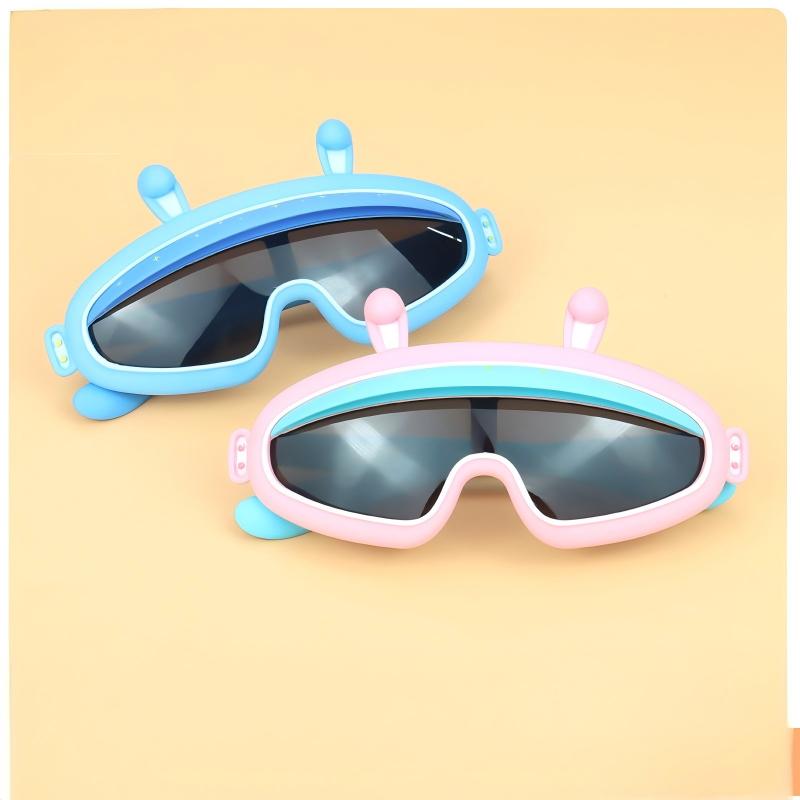
The toddler and infant band — roughly the youngest kids eyewear age group — behaves very differently from school-age product. A school-age frame is chosen partly on style and color; a toddler frame lives or dies on whether it stays on the face and survives daily handling. Buyers who apply school-age assumptions to this segment often end up with frames that look right in photos but generate returns and complaints in real use.
This guide does not make specific safety guarantees or medical claims. It helps buyers understand the practical construction choices behind flexible toddler frames and build a clearer specification and sample-review process with suppliers.
1. Why Toddler Frames Are a Distinct Category
Toddlers cannot adjust or care for their own eyewear, and their faces have a low, undeveloped nose bridge and short temple-to-ear distance. A frame designed for an older child slides down, sits crooked, or falls off. On top of fit, the product is exposed to constant mechanical stress — being bent flat, sat on, and thrown. For buyers, this means toddler frames should be assessed against flexibility and retention first, and appearance second.
Treating this segment as simply "smaller kids frames" is the most common sourcing mistake. The size is smaller, but the engineering priorities are genuinely different, and that difference should shape both product selection and sample review.
2. Material Choices for Flexible Frames
Several materials are used for flexible toddler and infant frames, each with different characteristics buyers should weigh:
- Silicone / rubberized frames: Very soft, bendable, and lightweight, often used for infants. They tolerate twisting and dropping well and are gentle against the skin, though styling range and premium finish are more limited.
- TR90 and flexible nylon: A common choice for toddler frames — lightweight, springy, and able to flex and return to shape. It balances durability with a more finished look than pure silicone.
- Combination builds: A flexible front with softer temple tips or an integrated strap, aiming to combine retention with a more conventional frame appearance.
There is no single correct material — the right choice depends on the exact age within the band, the target market, and the price tier. Buyers should decide which of these directions fits their program before requesting samples, so the supplier quotes and samples the right construction.
3. Safety and Retention Features to Look For
Beyond the base material, several construction features affect how well a toddler frame performs in daily use. Buyers reviewing options should look at:
- Hinge design: Many toddler frames use flexible or spring-style hinges, or a hingeless one-piece wrap, to survive being pulled and bent without snapping.
- Adjustable strap or cable temples: An elastic head strap or curved cable temple helps keep the frame on an active toddler and is often expected in the infant band.
- Rounded edges and no sharp parts: Smooth edges, recessed or riveted screws, and the absence of small detachable parts are basic expectations for this age group.
- Nose fit for a low bridge: A wider, lower, or integrated nose section that suits an undeveloped bridge, since standard adult-style nose pads do not sit correctly.
Buyers should confirm which of these features are included by default and which are customization requests, so nothing is assumed. What one supplier treats as standard, another may quote as an add-on.
4. Compliance and Documentation
Eyewear for very young children is claim- and safety-sensitive, and many destination markets apply specific requirements to children's products — for example around small parts, materials in contact with skin, and mechanical safety. Buyers importing toddler frames should treat documentation as part of standard due diligence rather than an afterthought.
Practical steps are to identify the children's product standards that apply in the target market, ask whether the supplier can support the relevant documentation or testing, and keep the buyer's own marketing claims aligned with what is actually supported. Buyers should not describe a frame as "unbreakable" or make absolute safety claims in their own packaging unless they have confirmed the basis for those claims through their own review. For destination-specific standards, buyers can cross-reference their compliance requirements separately as part of supplier evaluation.
5. What to Confirm Through Sample Review
Sample review is where flexibility and retention claims are actually tested. For toddler frames, buyers should go beyond a visual check and physically handle the sample. During review, confirm:
- Whether the frame flexes and returns to shape without stress marks, cracking, or loosening
- Whether hinges or a one-piece build hold up to repeated bending
- Whether any strap or cable temple is secure, adjustable, and comfortable
- Whether edges, screws, and joints are smooth with no sharp or easily detachable parts
- Whether the nose and temple geometry suits the intended age within the band
- Whether color, finish, and print are even and consistent across the sample set
If the sample fails any of these practical checks, the buyer should request revision before approving bulk production. For this segment especially, a sample that only looks right on a desk is not enough — it needs to behave correctly when flexed and handled.
6. Communicating Toddler Frame Requirements to Your Supplier
Clear communication prevents the wrong construction from being sampled. Rather than asking for "toddler frames," buyers get more accurate results by stating:
- The exact age range you are targeting within the toddler/infant band
- The material direction you prefer (silicone, TR90/flexible nylon, or combination)
- The retention features you need — strap, cable temples, flexible hinges, low-bridge fit
- The destination market, so compliance and documentation needs are clear from the start
- Whether any safety or material claims will appear on your packaging
Setting these out in the initial inquiry lets the supplier suggest the right construction and quote accurately, and gives the buyer a consistent basis for comparing how different suppliers approach this demanding segment.
Sourcing frames for the toddler and infant band?
If you are planning a toddler or infant eyewear program and need to discuss flexible materials, retention features, or compliance documentation, contact us to start a focused conversation about your requirements before sample and quotation review.