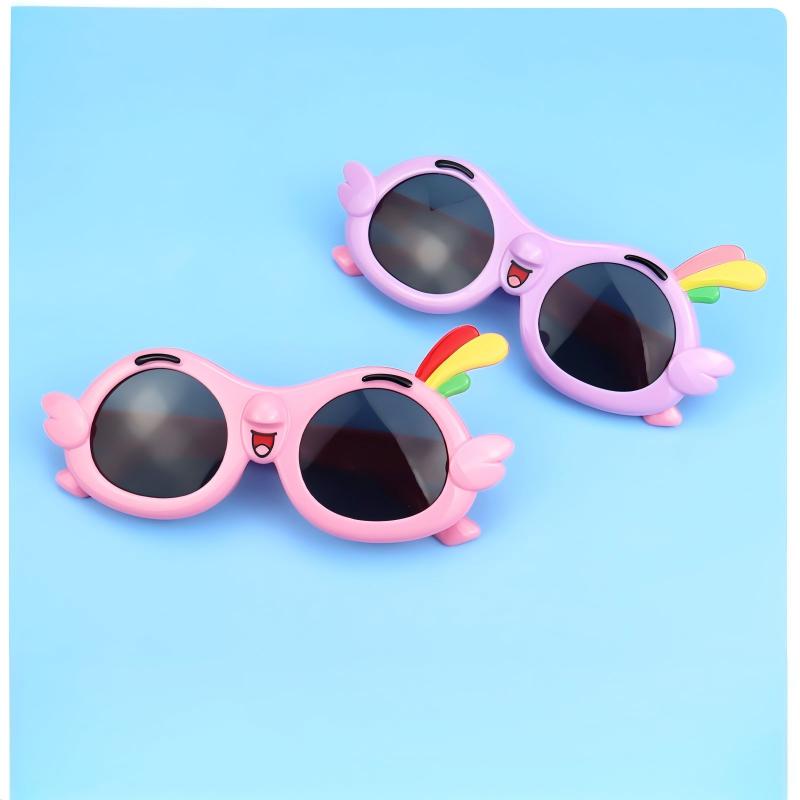
For buyers selling into pharmacies, optical chains, toy and gift retail, supermarkets, or tourist and resort locations, the display is frequently the deciding factor in whether a retail account takes the line at all. A retailer with limited floor space is not only evaluating the product — they are evaluating how much space it needs and how easily staff can maintain it.
This guide focuses on the sourcing and planning side: what formats exist, how to match a display to an assortment, and the commercial details that catch buyers out when display items are added late.
1. Why Display Belongs in the Sourcing Conversation
Display decisions constrain product decisions, which is why raising them late causes rework. The number of facings on a stand determines how many SKUs an assortment can realistically carry. The hanging method determines whether products need hang tags, header cards, or hook-compatible packaging. The stand footprint determines which retail accounts can take it.
Buyers who decide the display format early can align packaging, assortment breadth, and unit quantities to it. Buyers who decide late often end up with packaging that does not hang correctly, an assortment that does not fill the stand evenly, or a display that arrives after the product it was meant to merchandise.
2. Common Display Formats
Most kids eyewear retail programmes use one or a combination of the following:
- Counter spinner or rotating display: Compact, high-visibility, suited to checkout and impulse positions. Typically holds a moderate SKU count and works well in pharmacies and gift retail.
- Floor-standing display: Higher capacity for seasonal programmes and larger accounts. Needs more floor space, so retail acceptance varies by channel.
- Countertop tray or riser: Simple, low-cost, easy to ship flat. Useful for smaller accounts or as a secondary placement.
- Hanging strip or clip strip: Very low cost, allows cross-merchandising in unrelated aisles, but requires hang-compatible packaging.
- Shelf-ready or display-ready carton: The outer carton converts into a shelf tray, reducing staff handling. Efficient where shelf replenishment speed matters.
The right choice depends far more on the target retail channel than on the product itself. Buyers serving several channels often need two formats rather than one compromise that fits neither.
3. POS Materials That Support the Display
Beyond the fixture itself, several smaller items commonly form part of a kids eyewear POS package:
- Header cards or toppers carrying the brand and category message
- Shelf talkers or price rails
- A mirror mounted on or beside the display, which matters more in eyewear than in most categories
- Size or age guidance cards, particularly useful where an assortment spans age bands
- Care or usage inserts included with the product
- Seasonal overlays that refresh a permanent fixture without replacing it
A mirror is worth singling out. In physical eyewear retail, the ability to try and see the product is a meaningful part of conversion, and a display without one puts a stand at a disadvantage against competing fixtures.
4. Matching Display Capacity to Your Assortment
A display works commercially when its capacity, the assortment, and the replenishment plan agree with each other. Practical questions to settle before ordering:
- How many facings does the stand have, and how many SKUs will occupy them?
- How many units per facing, and how does that map to a retailer's expected sell-through rate?
- Is the display sold in as a filled unit with product included, or shipped empty for the retailer to fill?
- What is the reorder unit — individual SKUs, or a pre-packed refill assortment?
- Will the assortment look balanced if the fastest-selling SKUs sell out first?
Pre-filled displays are attractive to retailers because they require no merchandising decisions, but they raise the buyer's per-unit shipping cost and reduce flexibility. Empty displays with a separate product order are cheaper to ship but rely on the retailer to merchandise correctly.
5. Cost, MOQ, and Lead Time
Display items follow different commercial rules from the eyewear itself, and this is where late decisions become expensive. Custom-printed or custom-tooled displays carry their own minimum order quantities, which are often set independently of the product MOQ — a buyer ordering a modest product quantity may find the display minimum is the binding constraint.
Lead time also differs. Displays involving custom tooling, metal or acrylic fabrication, or multi-colour printing may run on a longer cycle than the frames they hold. Buyers planning a seasonal launch should confirm display lead time separately and early, since a display that arrives after the season has started has largely lost its purpose.
6. Shipping, Assembly, and Durability
Displays are bulky relative to their value, which makes freight a significant part of their landed cost. Several practical points are worth confirming:
- Whether the display ships flat-packed or assembled, and the volumetric difference between the two
- How much assembly the retailer must perform, and whether instructions are included and language-appropriate
- Whether the construction — cardboard, acrylic, metal, or wood — suits the intended lifespan and environment
- How the display is protected in transit, since a damaged fixture usually cannot be sold in
- Whether the display carries any required market or safety markings
Material choice should follow intended lifespan. A cardboard unit is appropriate for a single-season promotion; a permanent fixture in an optical chain justifies more durable construction and a correspondingly higher cost.
7. What to Confirm With Your Supplier
Buyers get more accurate quotations and fewer surprises by raising display requirements in the initial enquiry rather than after product samples are approved. Useful points to state or ask:
- The retail channel and typical account size you are supplying
- The display format you want, and whether it ships filled or empty
- SKU count and facings required, so capacity can be matched to your assortment
- Branding requirements — printed logo, custom colour, header artwork
- Display MOQ and lead time as separate figures from the product order
- Whether the supplier offers existing display formats, which is usually faster and cheaper than custom tooling
Many suppliers hold standard display formats that can be branded without new tooling. For a first order or a market test, adapting an existing format is usually the more practical route, with custom development reserved for programmes that have proven their volume.
Planning a retail programme with display support?
If you are building a kids eyewear retail programme and need to discuss display formats, POS materials, or how display quantities align with your product order, contact us to plan them together.